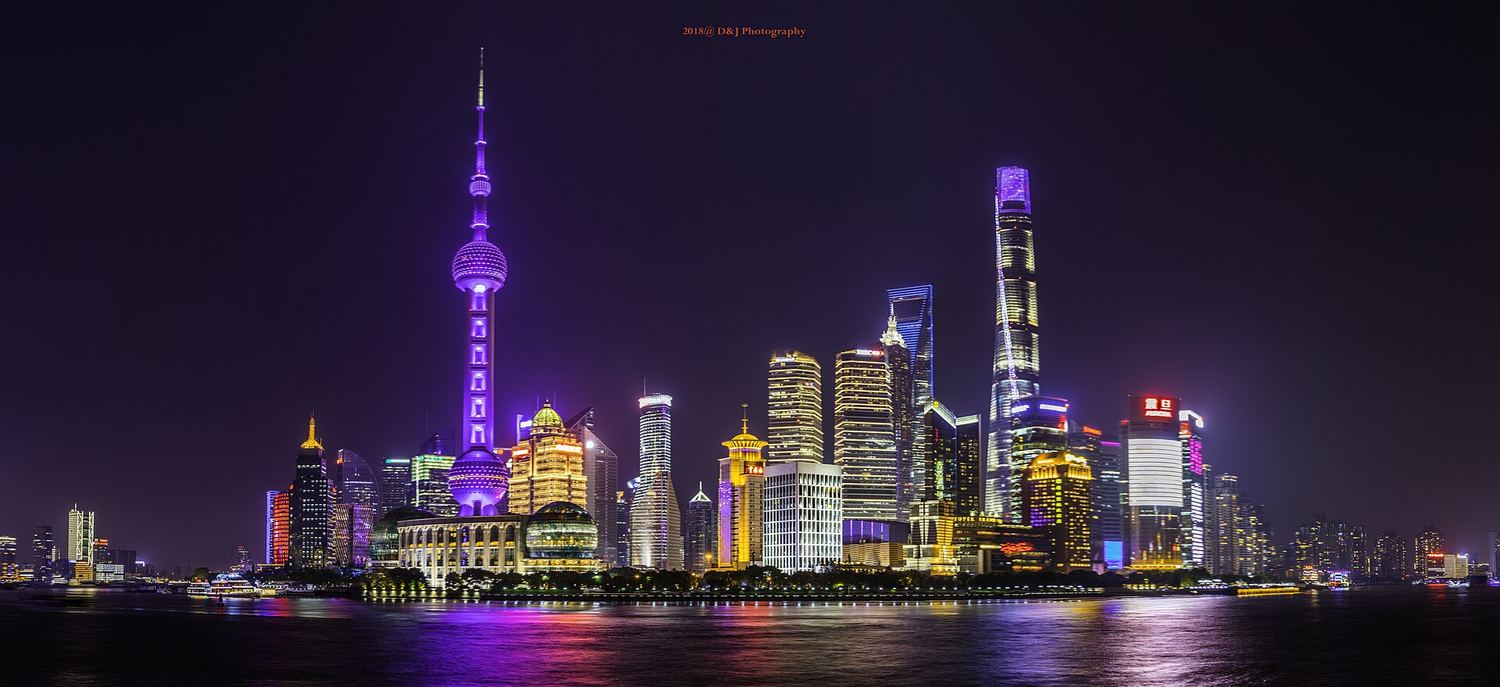
Shanghai or Beijing for a First Trip to China?
The two obvious entry points are completely different cities. Which one suits you depends on what you actually want from a first China trip.
Read the article →
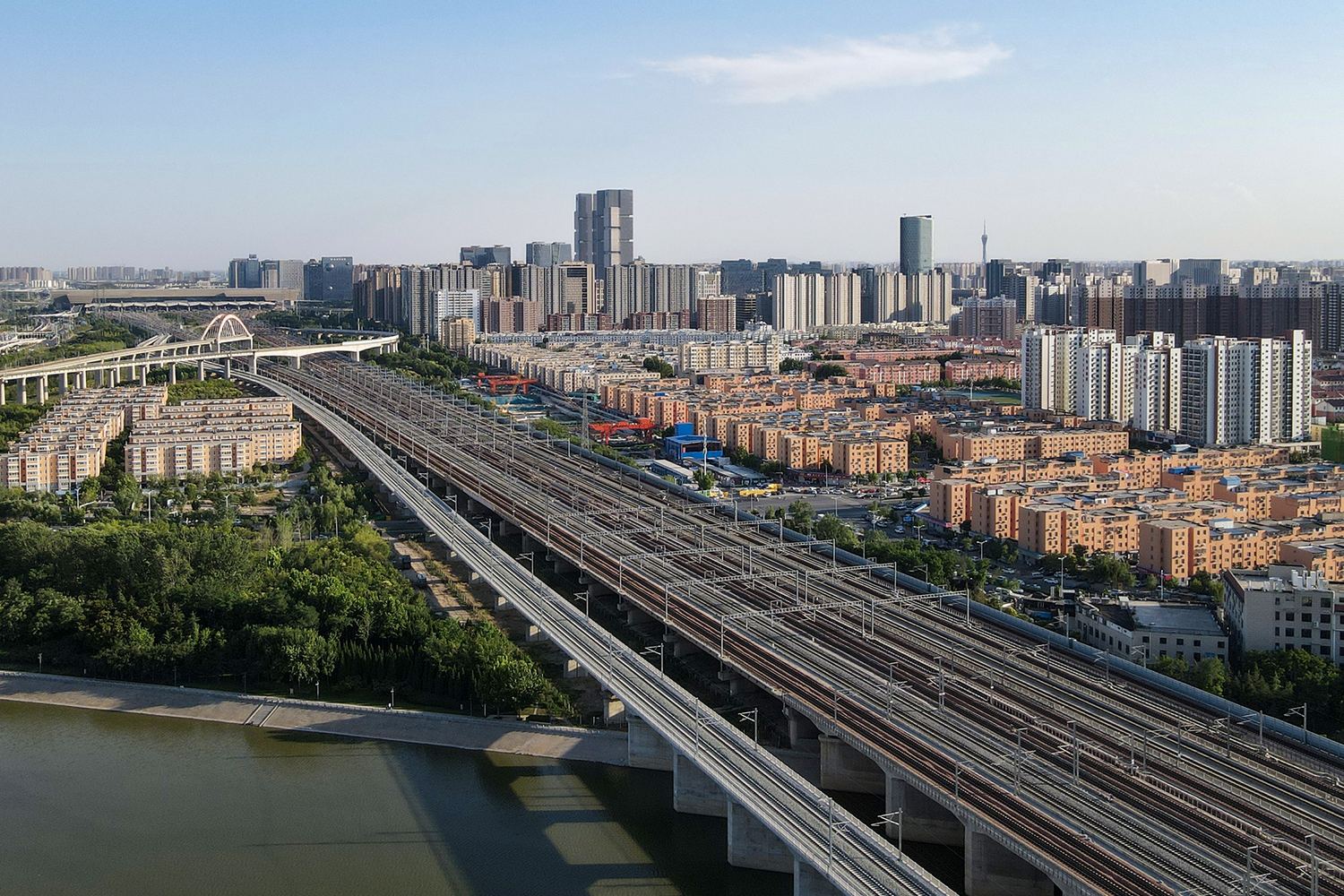
Four and a half hours, four classes, and one common mistake. A practical walkthrough of China's most useful tourist rail route.
Beijing and Xi’an are the two essential stops on almost every first China itinerary, and the 1,200 km between them is the single most useful high-speed rail leg in the country for visitors. Four and a half hours, city centre to city centre, with departures roughly every twenty to thirty minutes through the day.
Compared with flying: no airport transfer at either end, no check-in, no baggage carousel, and a seat you can actually walk around in. Door to door it is faster, and far less tiring.
The trains are modern, quiet and smooth. You get a reserved seat with a table, a power socket at every seat pair, and a luggage rack overhead plus a larger rack at the carriage ends. There is a trolley service and a dining car on most services, but the food is limited — we usually suggest buying something at the station beforehand.
The scenery on this route is mostly flat farmland and small towns, with the Yellow River crossing about two-thirds of the way. It is pleasant rather than spectacular, which makes it a good leg for reading or catching up on sleep.
Second class is five seats across, comfortable, and perfectly adequate — this is what most Chinese travellers use. First class is four across with noticeably more legroom and recline, and on a four-and-a-half-hour journey it is worth the modest upgrade. Business class is excellent and rarely necessary. Sleeper is not available on this route because the journey is too short.
Families should know seats are assigned in rows. We always try to keep groups together, and we will tell you honestly when a layout makes that impossible.
Your passport is your ticket. There is no paper ticket to collect, no QR code to print. You scan your passport at the gate.
The second most common mistake is arriving too late. Large Chinese stations require a security scan and a passport check before the platform, and gates close a few minutes before departure. Allow 40 minutes in Beijing West or Xi’an North.
The third: wrong station. Beijing has multiple rail stations and Shanghai has two; the one you want is not always the obvious one. We send you the station name, the entrance letter and the platform in advance, which removes the problem entirely.
China’s official 12306 system does now accept some foreign cards, but acceptance is inconsistent by bank and country, and popular sectors on popular dates sell out weeks ahead. We hold seats and issue them in your name as a standalone service — no tour package required — and we tell you which station entrance to use.
If you are travelling with us, the rail legs are simply part of the itinerary: we book them, brief you, and meet you at the other end.

Tell us your dates, who is travelling and roughly what you want to see. Within 24 hours a China-based planner sends you a day-by-day itinerary with everything itemised — free, and with nothing to pay until you approve it.
Monday–Sunday, 09:00–21:00 Beijing time (UTC+8)
Free written itinerary within 24 hours