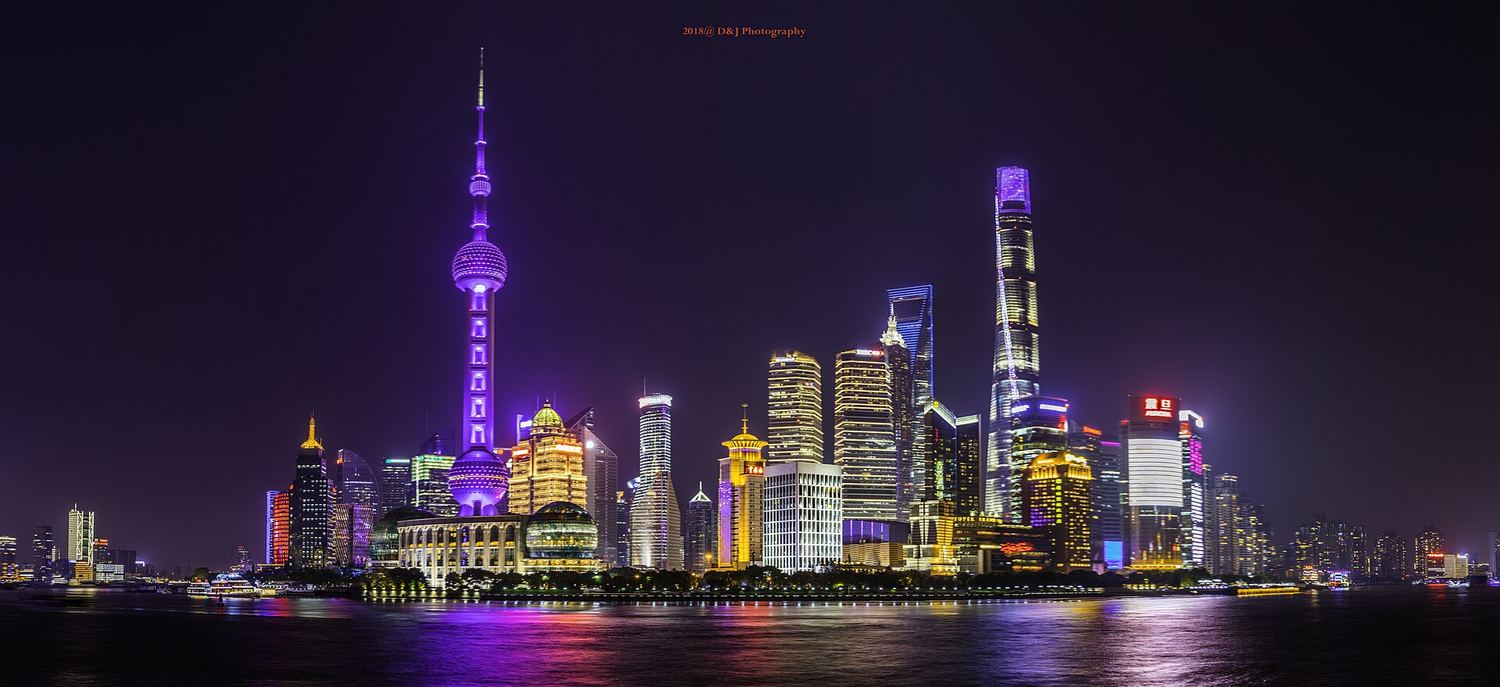
Shanghai or Beijing for a First Trip to China?
The two obvious entry points are completely different cities. Which one suits you depends on what you actually want from a first China trip.
Read the article →
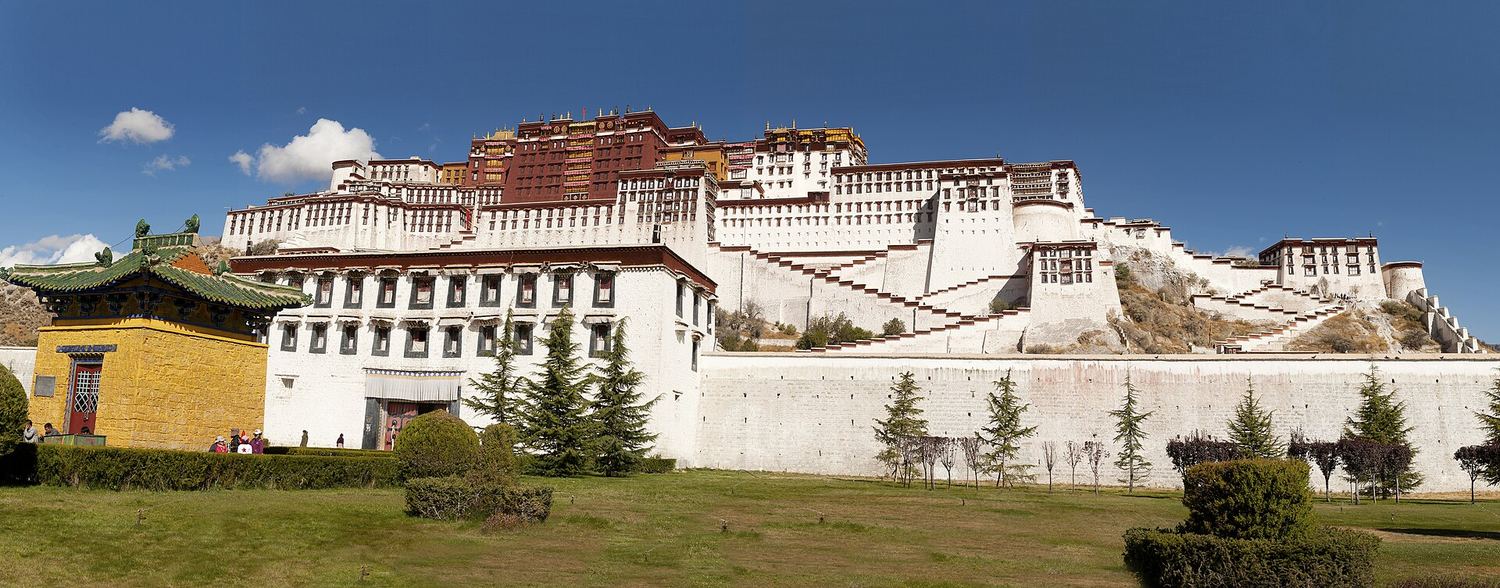
Foreign visitors cannot travel to Tibet independently. Here is exactly what is required, how long it takes, and the altitude question answered honestly.
Foreign visitors cannot travel to Tibet independently. You need a Tibet Travel Permit arranged through a licensed operator, and you must travel with an organised guide and a fixed itinerary. This is not a marketing requirement to sell tours — it is the law, and it is enforced at the airport and at checkpoints on the road.
Permits are issued to a named itinerary with named travellers. You cannot get one and then wander.
You need a scan of your passport photo page and your China visa or residence permit. For some regions — Shigatse, Mount Everest base camp, Ngari — an additional Aliens’ Travel Permit is required, arranged once you are in Tibet.
The processing time is roughly 15 working days. In practice, this is why Tibet is the one trip we ask you to start planning about two months ahead. It cannot be rushed, and we cannot start without your passport scans.
Group tours and private trips both need permits. A private itinerary with your own vehicle and guide is entirely possible; travelling unaccompanied is not.
Lhasa sits at 3,650 metres. Most people get a headache and feel breathless for a day or two. That is normal and passes. Some people feel genuinely unwell; a very small number need to come down.
What we do about it: your first day in Lhasa is deliberately empty. No sightseeing, no rushing, plenty of water, an early night. It feels like a wasted day and it is the single most important day of the trip. We keep oxygen in the vehicle, brief you on the symptoms to watch for, and build the route so the altitude rises gradually rather than jumping straight to 5,000 metres.
Who should be cautious: anyone with heart or respiratory conditions, pregnant travellers, and children under about twelve. Get medical advice first. Healthy travellers in their sixties do this route comfortably, provided the first day is genuinely restful.
Lhasa: the Potala Palace, whose tickets are strictly limited and timed; the Jokhang Temple and the Barkhor circuit, where pilgrims walk clockwise, prostrate and turn prayer wheels; Sera Monastery, where monks debate philosophy each afternoon with clapping hands and raised voices.
The road to Shigatse: over the Kamba La pass to Yamdrok Lake, 638 square kilometres of turquoise water that looks artificial in photographs, then past the Karola Glacier. This is the best single day of driving in Tibet.
Gyantse and Shigatse: Pelkor Chode Monastery and its nine-level Kumbum stupa, then Tashilhunpo Monastery with a 26-metre gilded Buddha.
This is the hardest place in our programme for halal dining and we will not pretend otherwise. Lhasa has a small Muslim community, a historic mosque near the Barkhor, and a cluster of halal restaurants serving Tibetan and Hui dishes including halal versions of yak meat and noodles. Along the Lhasa–Shigatse road, options thin to a few towns.
If halal-only dining is essential for your group, we will map exactly which meals we can guarantee and which need to be packed from Lhasa, and we do that before you commit to the itinerary rather than after.
Tell us your dates, who is travelling and roughly what you want to see. Within 24 hours a China-based planner sends you a day-by-day itinerary with everything itemised — free, and with nothing to pay until you approve it.
Monday–Sunday, 09:00–21:00 Beijing time (UTC+8)
Free written itinerary within 24 hours