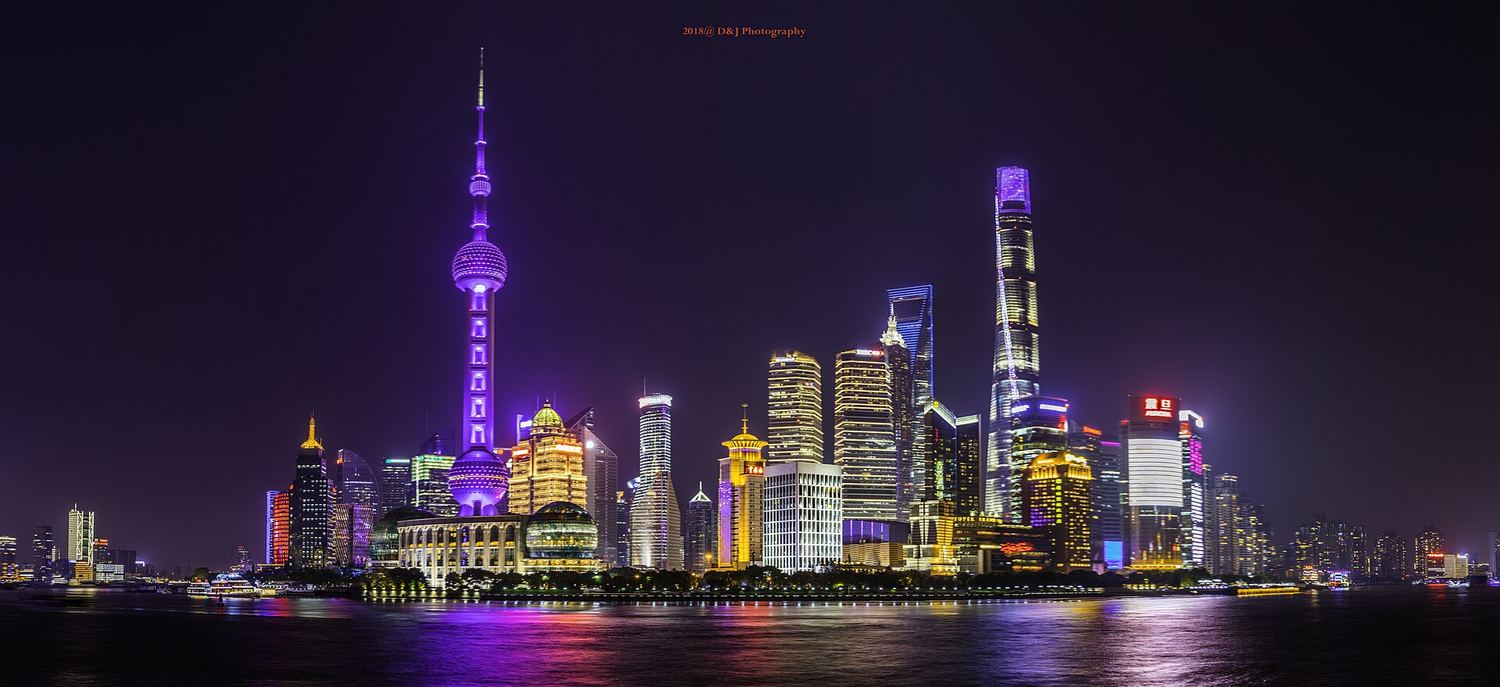
Shanghai or Beijing for a First Trip to China?
The two obvious entry points are completely different cities. Which one suits you depends on what you actually want from a first China trip.
Read the article →
Spectacular, and genuinely difficult to travel in. What is open, what fills up, and how to plan if your dates fall in this window.
Chun Jie, the Spring Festival, is the largest annual human migration on earth: hundreds of millions of people travelling home within about two weeks. It falls on the new moon between late January and late February, and the dates move every year — usually the whole celebration runs about fifteen days, with the busiest travel on the two days either side of the first.
If you are in a city with a proper celebration, it is genuinely extraordinary. Lantern festivals, temple fairs, lion dances, fireworks at midnight, red everywhere, and a general atmosphere that no other date in China matches. Smaller cities and old towns in particular go all-out, and the food traditions alone justify it.
It is also the one time of year when Chinese cities, usually relentless, become quiet. Beijing in the first three days is eerily empty — which is either magical or disappointing, depending on your expectations.
Transport sells out. High-speed rail seats on the main corridors are gone weeks, sometimes months, in advance. Domestic flights are booked out and expensive. If your itinerary depends on specific rail legs in this window, you must book early.
Hotels fill and prices rise, especially in tourist destinations and home towns.
Some businesses close. Small restaurants, family shops and even some attractions shut for several days to a week as staff return home. In big cities, chain restaurants and hotel kitchens stay open; in smaller places, options narrow sharply.
Attractions are packed on days 3–7, when families are on holiday together. The Great Wall, Zhangjiajie and the Terracotta Army are at their worst.
It is perfectly doable, and we do build good trips then. Three principles:
Book early. Four to six months ahead if possible, particularly for rail seats and flights.
Favour big cities over small ones. Beijing, Shanghai, Guangzhou and Chengdu stay functional; rural and small-town infrastructure is patchier.
Slow down. Fewer cities, longer stays, less dependence on moving every day. And accept that some restaurants will be shut — we plan around it, which is one of the practical reasons guests use us in this window.
The date moves with the lunar calendar. If you are planning around it, ask us and we will confirm the exact dates for your travel year, along with the specific days when transport is worst. This is one of the things we check every season, and it changes the shape of an itinerary more than almost anything else.
Tell us your dates, who is travelling and roughly what you want to see. Within 24 hours a China-based planner sends you a day-by-day itinerary with everything itemised — free, and with nothing to pay until you approve it.
Monday–Sunday, 09:00–21:00 Beijing time (UTC+8)
Free written itinerary within 24 hours