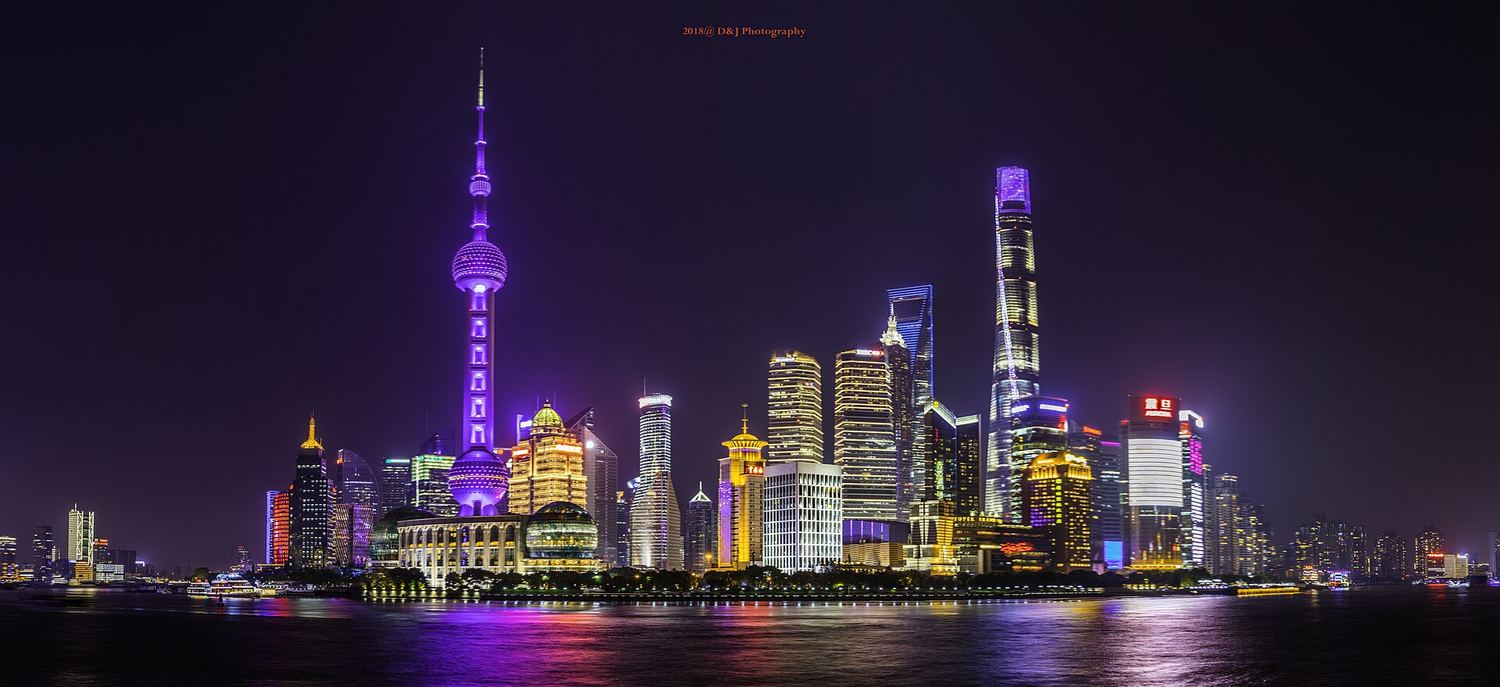
Shanghai or Beijing for a First Trip to China?
The two obvious entry points are completely different cities. Which one suits you depends on what you actually want from a first China trip.
Read the article →
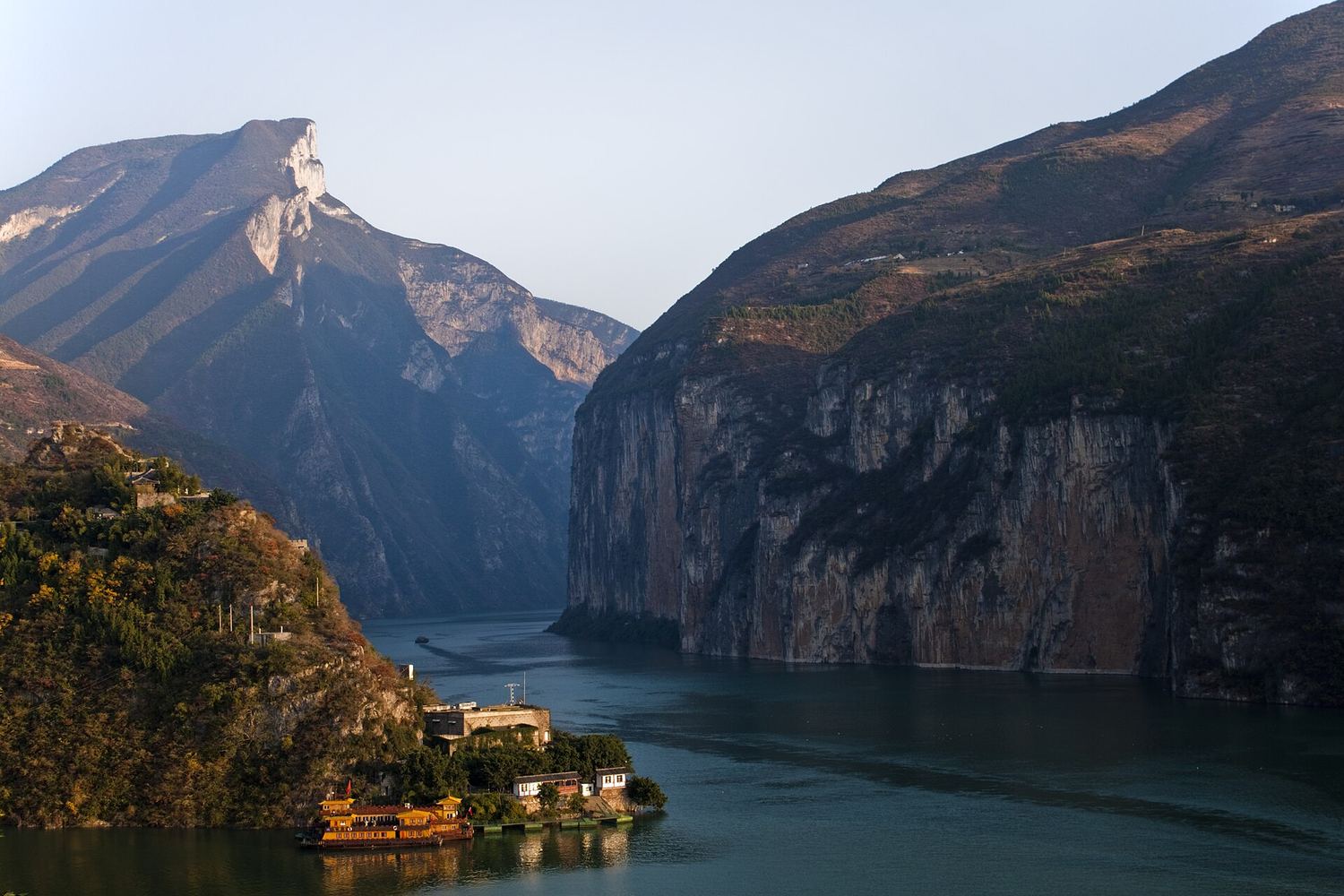
Seven, ten, fourteen or twenty-one days: what each length actually buys you, and the mistake of trying to see everything.
China is roughly the size of Europe, with a similar spread of climates, cuisines and histories. Nobody asks how many days they need to “see Europe”. The useful question is what you personally want out of this trip, and then how much time that requires.
That said, there are clear bands, and the difference between them is real.
Seven days is enough for two cities properly, or three at a push. Beijing plus Xi’an is the classic, linked by four and a half hours of high-speed rail: the Forbidden City and the Great Wall, then the Terracotta Army and the Muslim Quarter.
What seven days is not enough for is Beijing, Xi’an and Shanghai. You will spend a third of the trip in transit and remember airports more than places. If you only have a week, resist.
Ten days lets you add one genuinely different landscape to the two-city base. Most commonly: Beijing, Xi’an and Zhangjiajie, or Beijing, Xi’an and Guilin. That gives you imperial cities, ancient history and a landscape that looks like nowhere else on earth.
This is the length we recommend most often to first-time visitors, and where we build in a real rest afternoon rather than treating it as a lost day.
Two weeks is where a China trip stops feeling like a sampler. You can cover four or five regions with proper time in each: the north, the central Silk Road cities, the mountains, the Yangtze or the south, and finish in Shanghai.
It is also the length at which a family trip stops being exhausting, because you can afford two nights in most places and an afternoon off every few days.
Twenty-one days lets you go deep in one or two areas rather than sampling all of them: a full Yunnan circuit through Kunming, Dali, Lijiang and the Yuanyang terraces; or the Silk Road from Xi’an through Gansu to Dunhuang; or Tibet combined with Sichuan. This is where China becomes genuinely different from a package holiday.
Over-scheduling. Guests arrive with eight cities in twelve days and leave exhausted, having photographed everything and remembered little. The single best thing you can do with extra time in China is subtract a city and add a night somewhere you already are.
Our rule of thumb when we build an itinerary: no more than one long transit day in every three. If a plan has you moving every morning, it is a logistics exercise, not a holiday.

Tell us your dates, who is travelling and roughly what you want to see. Within 24 hours a China-based planner sends you a day-by-day itinerary with everything itemised — free, and with nothing to pay until you approve it.
Monday–Sunday, 09:00–21:00 Beijing time (UTC+8)
Free written itinerary within 24 hours