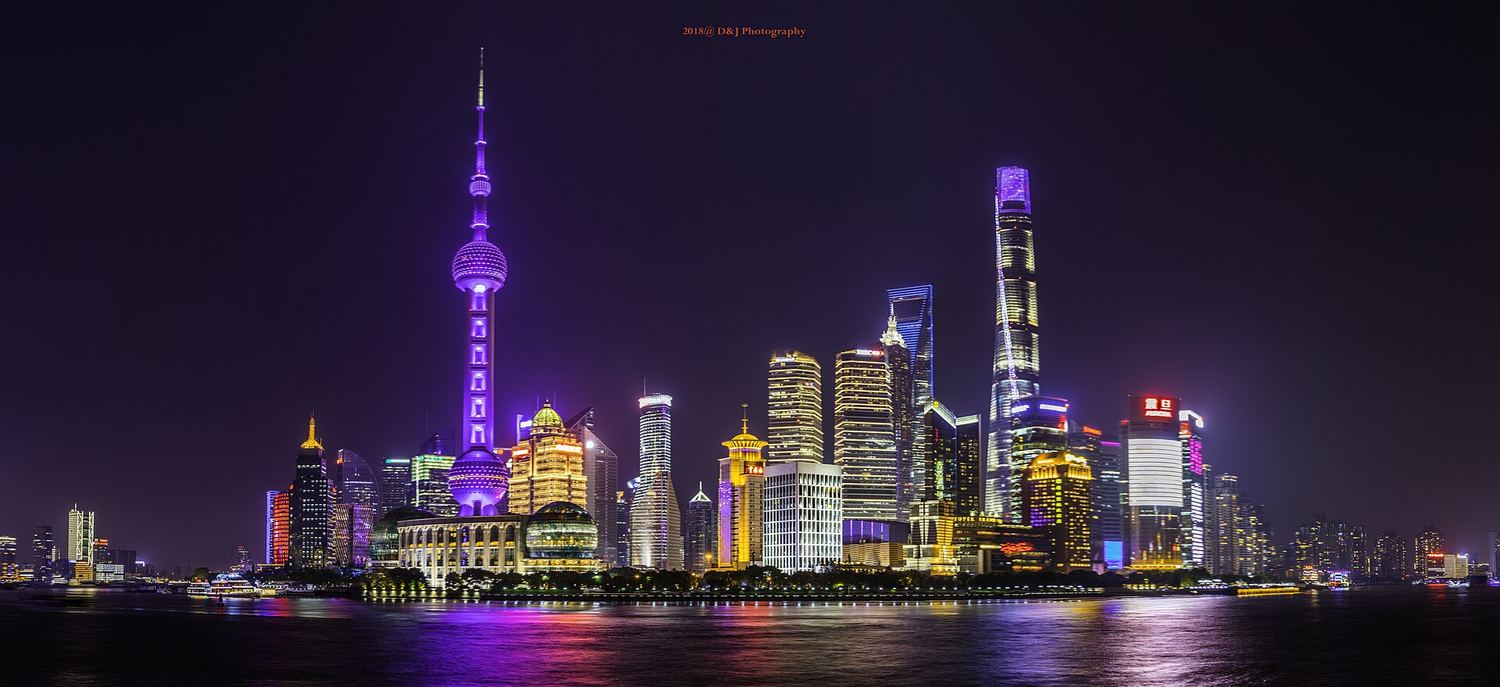
Shanghai or Beijing for a First Trip to China?
The two obvious entry points are completely different cities. Which one suits you depends on what you actually want from a first China trip.
Read the article →
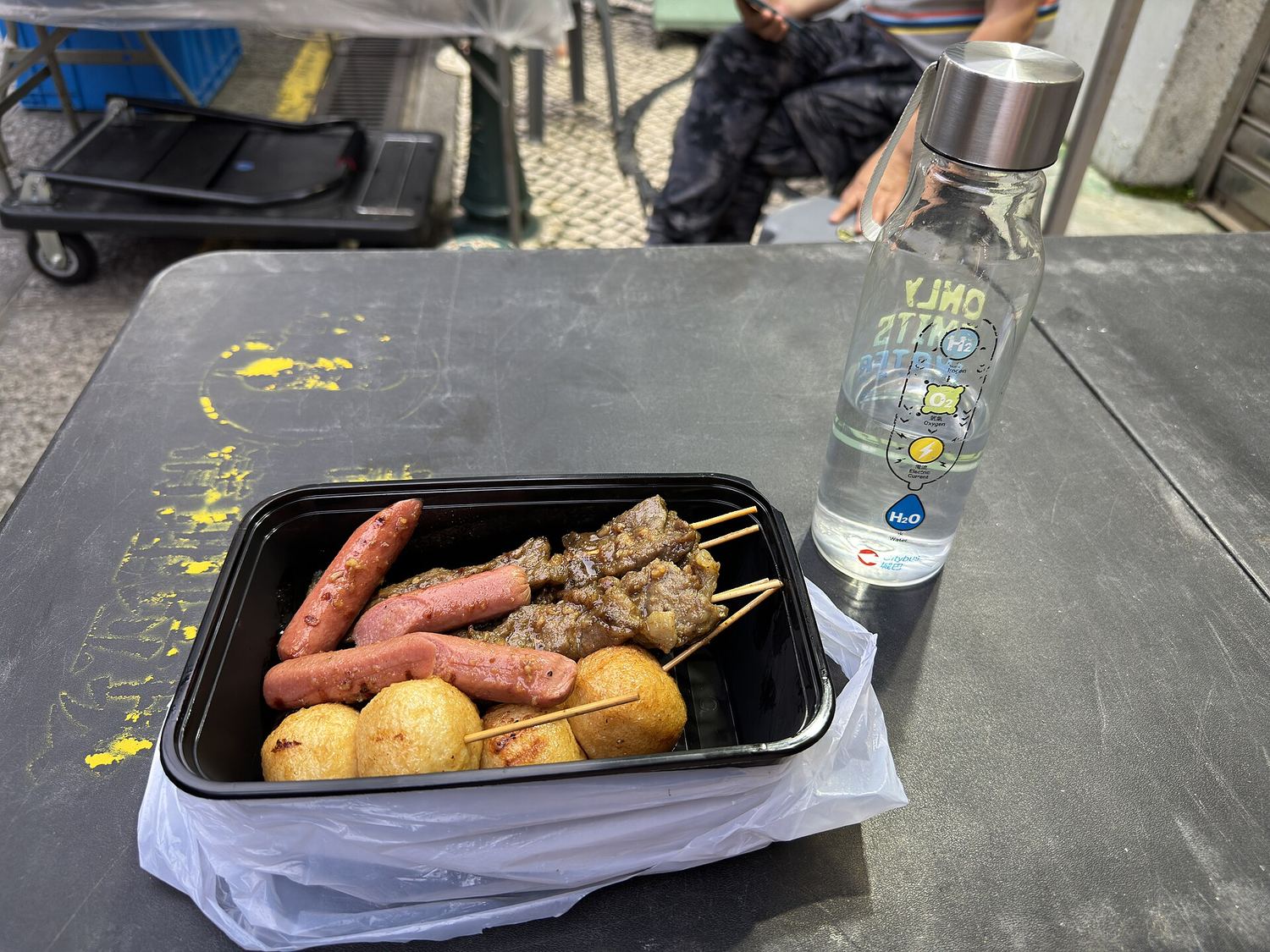
How to judge a Chinese food stall in ten seconds, what to avoid, and how to eat halal from a street market without guessing.
Chinese street food is generally safe, and the food-poisoning risk is lower than most travellers assume. China has strict food safety regulation, markets are inspected, and stalls with high turnover are cooking constantly at high heat. The failures, when they happen, follow predictable patterns — and those are easy to avoid.
Before you buy, look at one thing: the queue. A stall with locals waiting is cooking fresh, turning stock over fast, and has a reputation to protect. A stall with no customers and food sitting under a lamp has been there for hours.
Beyond that: is it cooked in front of you? Is it served hot? Is the vendor handling money and food with the same hand? Anything skewered and grilled to order, boiled in broth, or fried in front of you is fine. Anything pre-plated and lukewarm is not.
Raw and cold items. Salads, cold noodles and cut fruit sold from unrefrigerated carts. Cut fruit is usually fine but buy from a stall that cuts it while you watch.
Ice in drinks outside hotels and proper restaurants. Ice made from tap water is the classic traveller’s mistake. In hotels it is filtered; from a street cart, assume not.
Water. Tap water is not drinkable anywhere in mainland China. Bottled water is cheap and available everywhere.
Extreme spice in Hunan and Sichuan. Not a safety issue, but a real one for children and sensitive stomachs — and it is worth knowing that the numbing sensation of Sichuan peppercorn is a mild local anaesthetic, not an allergic reaction.
The good news is that China’s street food culture and its halal food culture overlap heavily. Look for the two characters 清真 (qingzhen) on green signage, often accompanied by Arabic script. In Xi’an’s Muslim Quarter, Guangzhou’s Muslim districts and Beijing’s Niujie, essentially everything on the street is halal, and the local cuisine is halal cuisine rather than an adapted version of it.
In cities without a Muslim community — Zhangjiajie, Guilin’s smaller towns, most of Tibet — assume nothing and eat where we have booked. On full-day excursions in those places we arrange a packed halal lunch with your hotel instead of leaving you to a snack stall.
Roujiamo — slow-braised meat in a flatbread, often called a Chinese burger. Yangrou paomo — mutton and torn bread in broth, the signature of Xi’an. Hand-pulled noodles, made to order in front of you. Lamb skewers with cumin, the great Uyghur contribution to Chinese street food. Baozi and jiaozi steamed or fried, ubiquitous and cheap. Mushroom hotpot in Yunnan during the summer season.

Tell us your dates, who is travelling and roughly what you want to see. Within 24 hours a China-based planner sends you a day-by-day itinerary with everything itemised — free, and with nothing to pay until you approve it.
Monday–Sunday, 09:00–21:00 Beijing time (UTC+8)
Free written itinerary within 24 hours