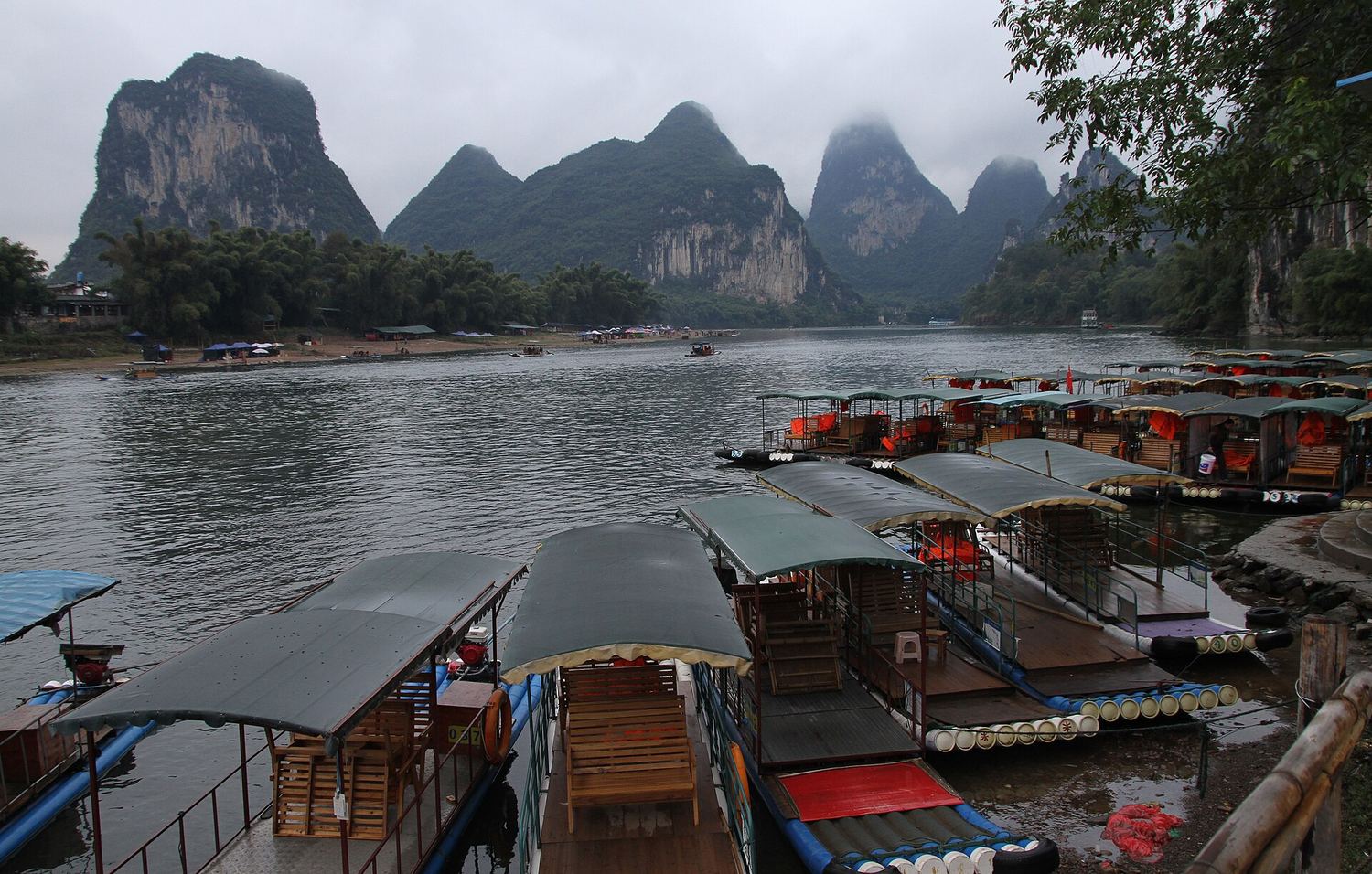
The Best Time to Visit China: A Month-by-Month Guide
China is continental in scale, so the best month depends on where. Weather, crowds and holidays, month by month.
Read the article →
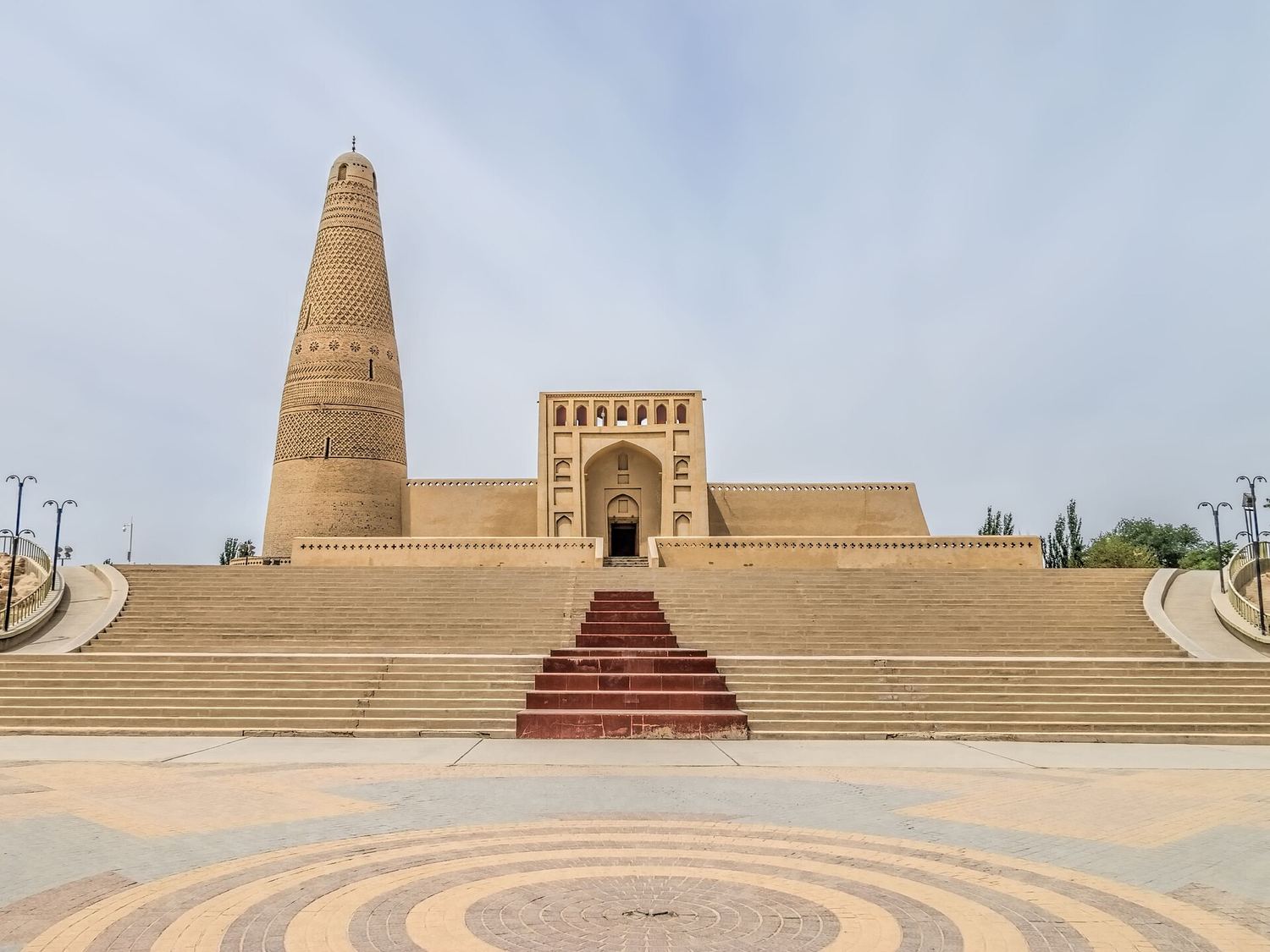
Where to find halal food, historic mosques and prayer rooms across China: a practical guide for Muslim travellers.
Many visitors are surprised to learn that Islam has been part of China for around 1,400 years, arriving with Silk Road traders long before most of Europe had any contact with the Muslim world. Today there are Muslim communities in every major Chinese city, historic mosques older than many in Southeast Asia, and neighbourhoods where halal butchers, bakeries and restaurants have traded for generations.
For Malaysian, Singaporean, Bruneian and Indonesian travellers this matters practically: China is one of the easier non-Muslim-majority destinations to travel in, provided you know which cities have real depth and which need planning. This guide covers where to eat, where to pray, which mosques are worth your time, and how we handle all of it on a private tour.
Halal food in China is marked 清真 (qīngzhēn), usually on a green, blue or black sign, often with Arabic script beside the Chinese characters. You will see the word on restaurant fronts, butcher shops, packaged snacks and even bottled drinks. It is the most useful two characters to learn before you fly.
Certification is handled by local Islamic associations and standards vary between provinces, so a sign is a starting point rather than a guarantee. Two rules we use on the ground: look for a restaurant attached to a mosque or inside a Muslim neighbourhood, where the whole supply chain stays halal; and ask whether the meat comes from a 清真 supplier. Watch for cooking wine (liáojiǔ), a splash of rice wine that appears in many Chinese marinades and stir-fries, and for shared kitchens where pork is also handled — the second is the more common problem in practice.
Xi’an. The Muslim Quarter around Huajue Lane and Beiyuanmen is the most rewarding halal eating in the country: lamb skewers, yángròu pàomó (lamb and torn bread soup), beef ròujiāmó, and sweets made with dates and sesame. It has been a Muslim trading quarter since the Tang dynasty.
Beijing. Niujie, the Ox Street neighbourhood, is the historic centre of Beijing’s Hui community and home to a mosque founded in 996. The lamb hotpot and beef pies are worth the taxi ride from the city centre, and it is the easiest place in Beijing to eat with total confidence.
Guangzhou. Xiaobei Road and Sanyuanli have the largest and most international Muslim community in southern China, with halal Cantonese, Hui restaurants, Malaysian and Indonesian eateries and grocery shops stocking familiar brands. If you want halal dim sum, this is where you find it.
Kunming and Yunnan. Yunnan has a large Muslim population and a cuisine of its own: halal rice noodles, beef in herbal broth, and simple, reliable Muslim canteens. It is one of the easiest provinces in China to eat well in.
Shanghai and Hangzhou. Fewer options than the cities above, but a stable list of verified halal restaurants near the centre and around the historic mosques, both of which are worth a stop in their own right.
Xi’an’s Great Mosque, in Huajue Lane, is the one to see: a walled sequence of courtyards, pavilions and stone arches built in classical Chinese style, with Arabic calligraphy woven into the timberwork, serving the community since the 8th century. Beijing’s Niujie Mosque dates from 996 and blends Chinese architecture with Islamic detail. Guangzhou’s Huaisheng Mosque, with its surviving light tower, is traditionally associated with the earliest arrival of Islam in China. Quanzhou’s Qingjing Mosque, founded in 1009, is the oldest surviving mosque in the country and now a beautiful ruin. Hangzhou’s Phoenix Mosque and Shanghai’s Xiaotaoyuan Mosque both fold easily into a city day.
Etiquette is much as it is anywhere: dress modestly, remove your shoes before entering a prayer hall, and cover your hair if you are a woman — scarves are usually available at the entrance. Ask before photographing people or prayer areas. Some mosques restrict non-Muslim visitors inside the main hall, especially during Friday prayers. Tell your guide in advance that you want to pray rather than simply look, and they will time the stop properly and find the ablution area for you.
Pack a travel prayer mat and a Qibla app. Hotel rooms are not set up for prayer but work perfectly well, and we ask for quiet rooms on a lower floor. Airports in Beijing, Shanghai and Guangzhou have multi-faith prayer rooms in the international terminals — ask at an information desk. High-speed rail stations mostly do not, so build prayer into the journey rather than the platform: a private car and a flexible schedule make that easy, which is the main reason guided travel suits Muslim families in China.
Ramadan is worth planning around. In 2027 it is expected to run from around 8 February to 8 March, with Eid al-Fitr around 9 March, subject to moon sighting. Because it falls in winter, the fasting day in China is short — in Beijing, Fajr is around 5.45am and Maghrib around 5.45pm — and hotels can arrange a pre-dawn breakfast box and a late iftar. Note that this window overlaps the tail of the Spring Festival travel period, so book flights and rail seats early. Ramadan moves about eleven days earlier each year.
Chinese hotels do not usually provide halal breakfast, so we either book near a verified halal restaurant, arrange breakfast from a halal kitchen, or use a hotel with a broad international buffet that covers fruit, eggs, bread and yoghurt. Alcohol is widely available and freely served at banquets, but nobody will press it on you, and tea is a completely normal alternative at a formal meal. If a Chinese host or business partner is involved, tell us in advance and we will brief them so the question never arises.
Everything else is easier than most travellers expect. There is no general restriction on prayer at major attractions, mixed groups of men and women travel together without friction, and restaurants are relaxed about large family groups. The one thing worth being firm about is halal certification, and that is a conversation we have on your behalf rather than one you have to have in Chinese.
Every restaurant on your route is verified before you book rather than chosen on the day, and your guide is briefed on halal requirements for the whole trip. Mosques and prayer stops are built into the schedule at realistic times, not squeezed in at the end of a sightseeing day. Where a city has one excellent halal neighbourhood, we route the day through it so lunch and a mosque visit sit together. And if your group mixes Muslim and non-Muslim travellers, we split the meals rather than compromise the halal side of it.
None of this carries an extra charge. Tell us who is travelling, any dietary requirements and whether your dates fall in Ramadan, and we will confirm the halal arrangements in writing before you pay anything.
The Ramadan dates above reflect published astronomical calendars as of 16 October 2026 and remain subject to local moon sighting. Mosque visitor hours change often, so we reconfirm them the week before you travel. For visa questions — which differ between Malaysian, Singaporean, Thai, Indonesian and Filipino passports — see our separate guide, or send us your passport details and we will confirm what applies to you.
Tell us your dates, who is travelling and roughly what you want to see. Within 24 hours a China-based planner sends you a day-by-day itinerary with everything itemised — free, and with nothing to pay until you approve it.
Monday–Sunday, 09:00–21:00 Beijing time (UTC+8)
Free written itinerary within 24 hours