The Best Time to Visit China: A Month-by-Month Guide
China is continental in scale, so the best month depends on where. Weather, crowds and holidays, month by month.
Read the article →
Pandas, teahouses, the Stone Forest, Dali and Lijiang — a relaxed twelve days across Sichuan and Yunnan.
Sichuan and Yunnan sit side by side on the map and share the two qualities that matter most on a long trip: mild weather and a slow pace. Chengdu is teahouses, pandas and some of the best food in the country. Yunnan is lakes, old towns and a cultural range you will not find in one week anywhere else — Han Sichuan, Bai in Dali, Naxi in Lijiang, Tibetan in Shangri-La, all within a 500-kilometre corridor.
They also connect easily. The flight from Chengdu to Kunming takes about ninety minutes, and a direct high-speed train takes around six and a half hours if you would rather watch the terrain change from the window. Weather is the other argument: because both sit high in the south-west, this route works in months when Beijing and Shanghai do not.
Start with pandas, and start early. The Chengdu Research Base of Giant Panda Breeding opens at 7.30am in the warmer months, and the animals are active for roughly the first two hours — the difference between a memorable morning and a queue of people photographing sleeping bears. Book tickets in advance. If you prefer somewhere calmer, the base at Dujiangyan is larger and less crowded.
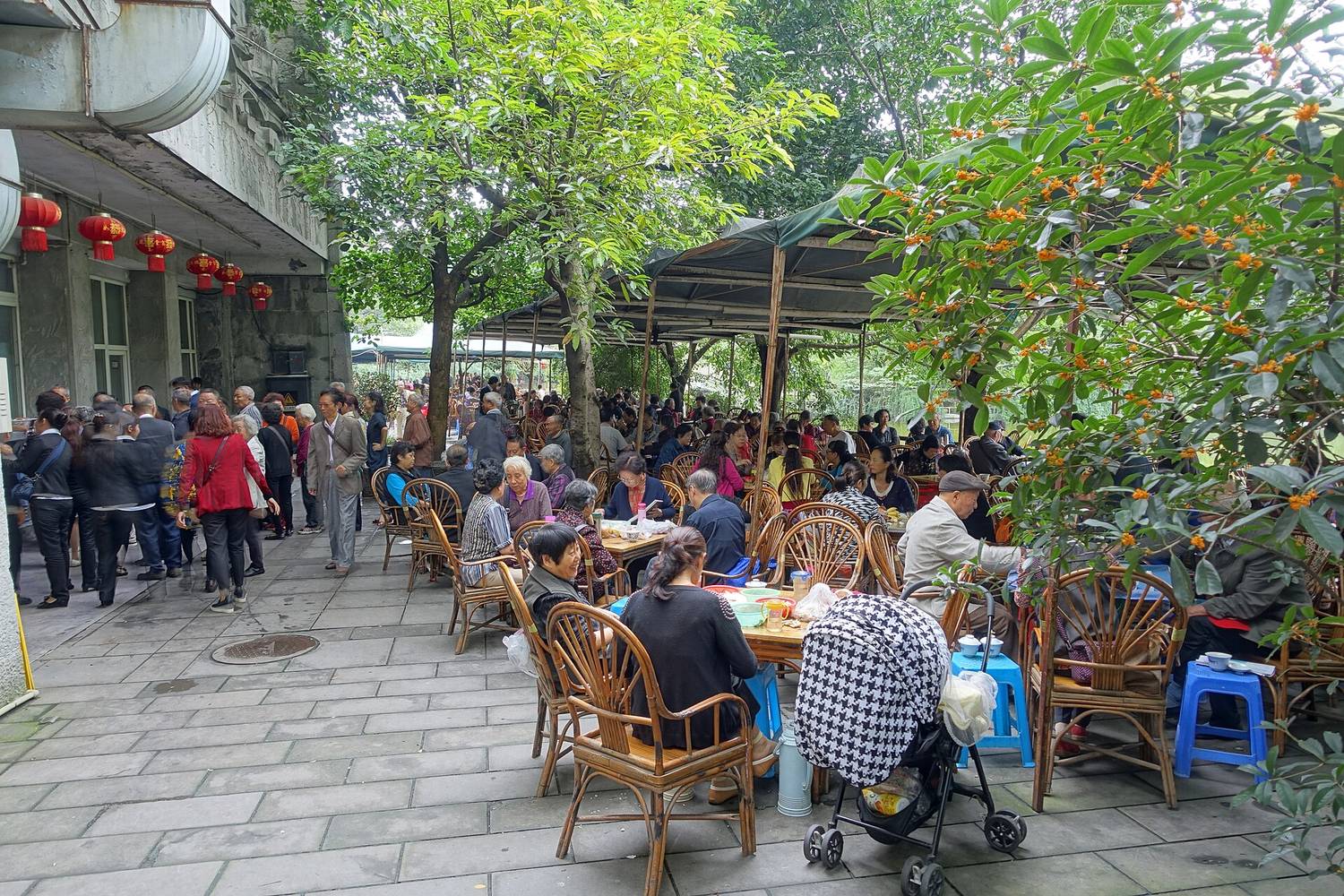
Chengdu is a city for sitting down. The Heming teahouse in People’s Park, Wenshu Monastery, the lanes at Kuanzhai and Jinli, a Sichuan opera performance with face-changing — none of it is strenuous and all of it is why people like this city. Eat hotpot at least once, and read our street food guide first if you are nervous about it. With an extra day, the 71-metre Leshan Giant Buddha and Mount Emei are both easy trips.
Fly to Kunming, the Spring City, at 1,890 metres and mild in every month of the year. Green Lake and Yuantong Temple fill a pleasant half-day, the Yunnan Provincial Museum is worth two hours for the Dian Kingdom bronzes, and the flower and bird market shows the city at its most relaxed. Kunming is also the easiest place in the province to eat: Yunnan has a large Muslim population, and halal beef noodle shops are everywhere you look.
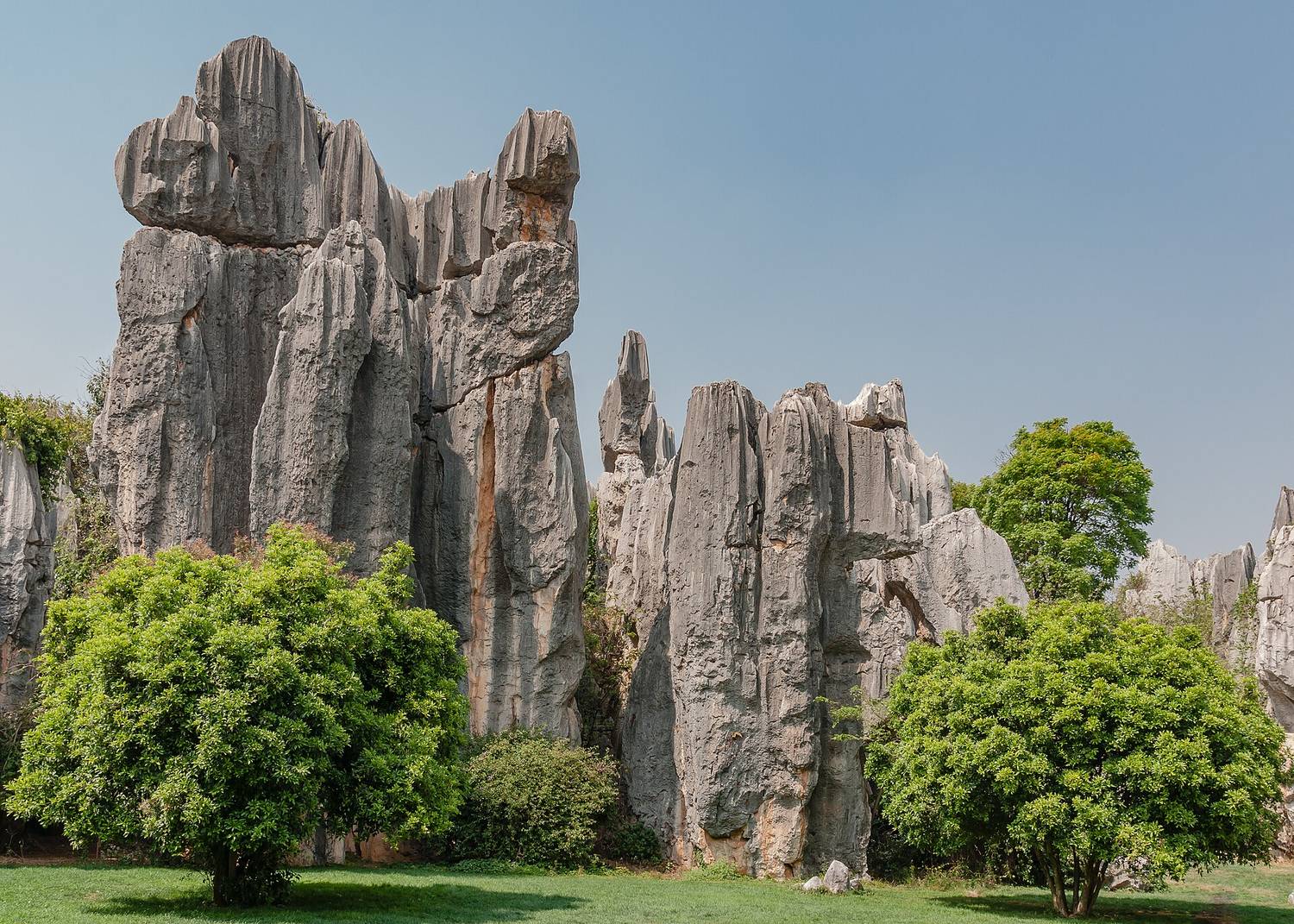
The Stone Forest is the day trip to make: ninety minutes by road, a 270-million-year-old karst maze of limestone pinnacles, and at its best before ten in the morning, before the tour buses arrive. Walk the outer loop rather than the central path. The Jiuxiang caves are a decent substitute if the weather turns.
Dali old town sits between the Cangshan mountains and Erhai Lake, with the ninth-century Three Pagodas of Chongsheng Temple a short ride away. Give the lake two nights minimum. The full loop is around 120 kilometres, and the stops that matter are Xizhou, with its Bai architecture and morning market, and Shuanglang on the quieter eastern shore.
Do the lake early or late; midday light on Erhai is flat and the villages are busiest. Food in Dali is a reason to come on its own — sour fish, grilled milk fans, rose petal cakes and Bai cooking that is far lighter than Sichuan. Shoreline rules change from time to time, so a local driver who knows which villages are open this season is genuinely useful.
Lijiang’s old town is a UNESCO site about 800 years old: a Naxi town of canals, stone lanes and wooden houses under the mountain. See it early in the day. Black Dragon Pool gives you the postcard view of the rooftops with Jade Dragon behind them, and the villages of Shuhe and Baisha are calmer — Baisha’s fifteenth-century murals are the best thing in the valley. Lijiang sits at 2,400 metres, which most people handle without noticing, but take the first afternoon gently.
The mountain is the highlight of the trip for many visitors: a cable car to the Glacier Park at 4,506 metres, an hour from town. Buy an oxygen can at the base, walk slowly, and book the cable car one to three days ahead because it does sell out. It is also entirely reasonable to skip it and spend the day in the villages instead. Tiger Leaping Gorge, about two hours away, makes a half-day for anyone who wants one dramatic walk.
Shangri-La, the old Tibetan town of Zhongdian, is four hours from Lijiang by road at 3,160 metres. Songzanlin Monastery is the largest Tibetan Buddhist monastery in Yunnan, and Dukezong old town is worth an evening. Add it only if everyone in the party is comfortable at altitude and you can give it two nights — a rushed visit at 3,200 metres is the most common way for a good trip to end badly. Otherwise fly home from Lijiang or Kunming.
This is why the order matters. The route climbs steadily — Chengdu 500 metres, Kunming 1,890, Dali 1,970, Lijiang 2,400, Zhongdian 3,160 — which gives your body a week to adjust without anyone having to think about it. The same logic applies inside a day: drink more water than usual, skip alcohol at altitude, and save the mountain for the morning.
March to May and September to November are the best months, with clear skies and comfortable days. June to August is the rainy season: short heavy afternoon showers, brilliant green terraces and softer hotel rates. Winter is dry and sunny with sharp cold at night — Kunming can be 18°C at midday and 2°C after dark. Yunnan is high-altitude sun, so bring sunscreen and a hat; people burn here in November.
With eight days rather than twelve, drop Shangri-La and Jade Dragon Snow Mountain and fly between Kunming, Dali and Lijiang instead of driving. Do the same if anyone in the group struggles with stairs or altitude. Everything we run on this route uses a private car and driver throughout, hotels within walking distance of the old towns, and at least one deliberately empty afternoon in the middle. Send your dates and the ages of everyone travelling on WhatsApp and we will tell you what to keep and what to drop.
Tell us your dates, who is travelling and roughly what you want to see. Within 24 hours a China-based planner sends you a day-by-day itinerary with everything itemised — free, and with nothing to pay until you approve it.
Monday–Sunday, 09:00–21:00 Beijing time (UTC+8)
Free written itinerary within 24 hours